

Overview
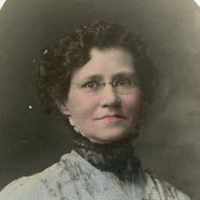
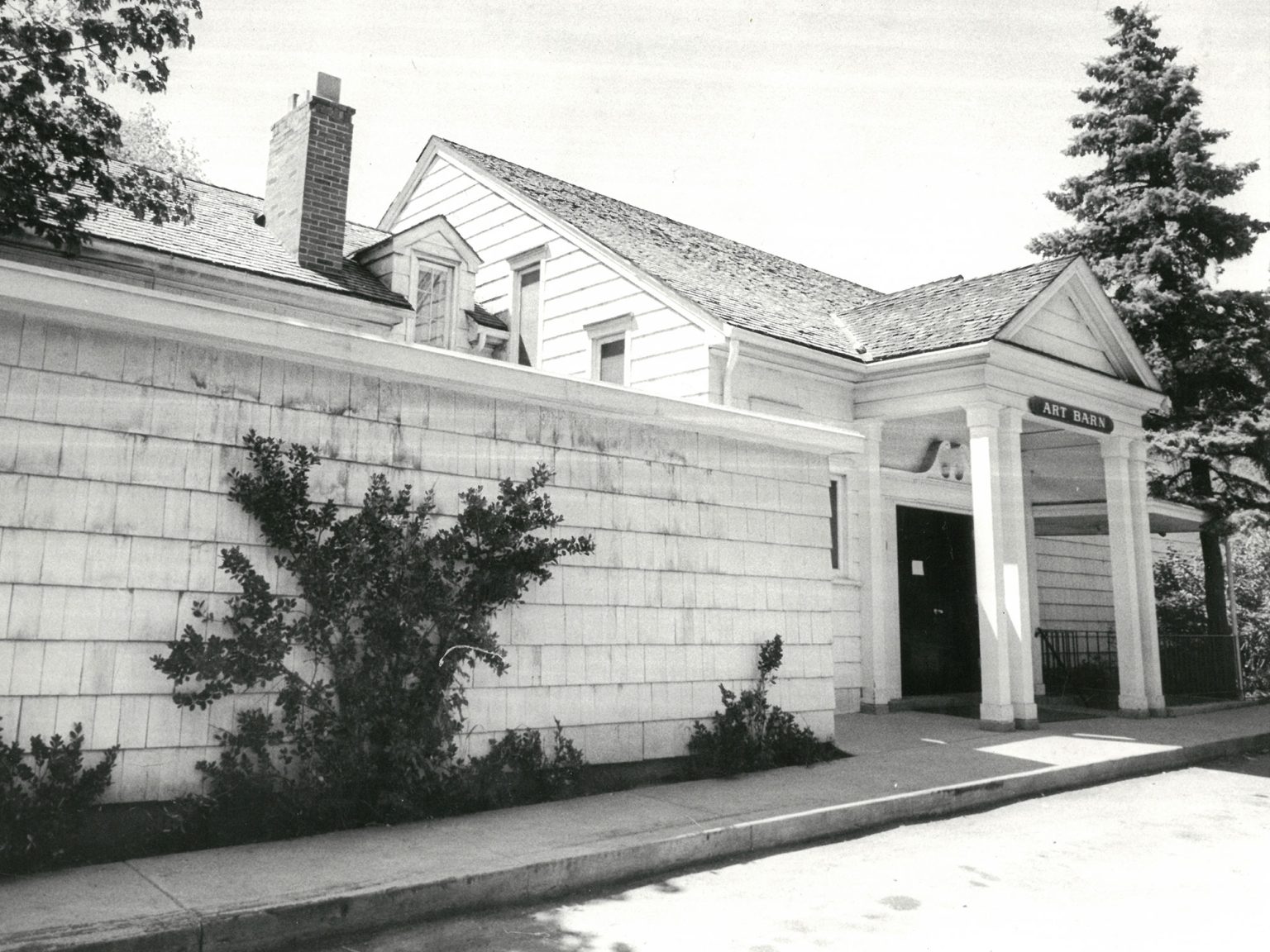
The Art Barn, a community center for the arts, started by Alta Rawlings Jensen with government funds and community support, became one of the state’s most enduring and influential cultural institutions. Alta’s concept for the Art Barn was inspired by her time spent in Carmel-by-the-Sea, California, where she saw how artists and writers all gather in one central place. Upon her return to Salt Lake City, Alta set out to gather the various parts Utah community, including artists, businessmen, and politicians, to support her vision. Despite the hardships of the Great Depression, she drummed up enthusiasm and donations for the community center, drawing on their shared heritage and love for community art, arguing that Utahns “still love art above our money and commercial interests.” Donations came from well-known local artists, including Mabel Frazer, Henri Moser, and B.F. Larsen; Salt Lake City, in the form of a land grant; the Church of Jesus Christ of Latter-day Saints, the Architect Woolley, who donated his services, and individual citizens of the Salt Lake Valley. The building’s cornerstone was laid on 7 December 1931 in Reservoir Park, Salt Lake City.
The Art Barn opened in the summer of 1933 with a retrospective exhibition of Utah Artists. The Art Barn became a vital cultural force in Utah, offering unprecedented opportunities for local visual artist to display their work in its galleries and to attend traveling exhibitions displaying national and international, traditional and avant-garde art. It also encouraged art lovers with all levels of education and skill to attend lectures and courses on a range of fine arts and crafts. This is seen in Alta’s founding credo, which states that the Art Barn would be “CENTRAL-BOHEMIAN—INFORMAL—SELF-SUPPORTING— Free and open afternoon and morning to the public as well as to artists and art lovers” and “PROFITABLE TO EVERYBODY.” A soon—to-be adopted clause added that it would be “an Art Center where Art may be expressed and sold yet not confined to one type of art— constituting a haven’ for the community. The Art Barn’s has endured for over 100 years, and subsequent iterations included the Salt Lake Art Center and the Utah Museum of Contemporary Art.